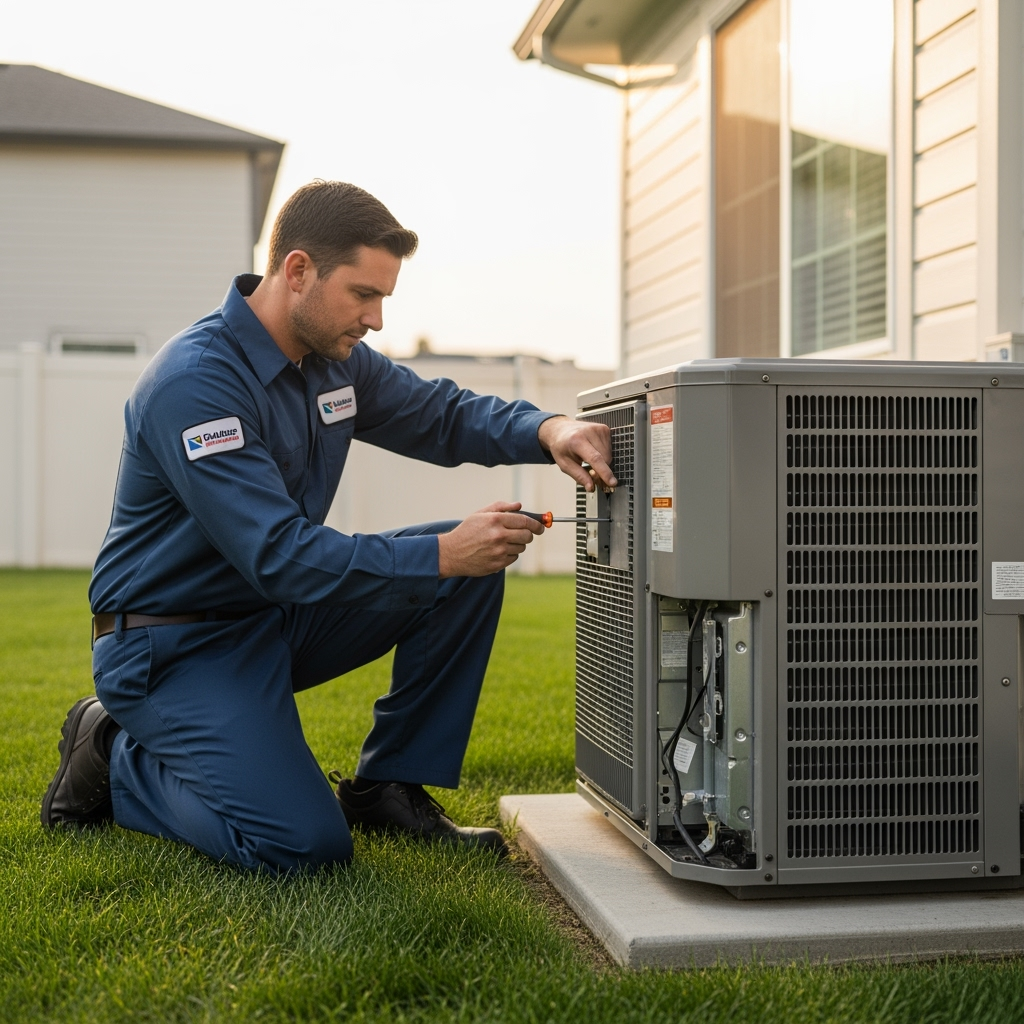
When your air conditioner acts up, it’s easy to feel overwhelmed. If you want to click here to read more about residential ac repair I’ll walk you through exactly what to expect, what you can try safely at home, and when it’s time to call in a pro. For trustworthy energy-saving guidance and national-level context on why AC efficiency matters, the Department of Energy offers clear recommendations you can use right away.
Why timely residential AC repair matters
Air conditioning is one of the largest energy expenses for most households. Small issues left alone can turn into major breakdowns, higher utility bills, and uncomfortable nights. I’ve seen homeowners ignore a squeak or a slow cool-down until the unit fails on the hottest day of the year. Fixing problems early not only saves money on avoided emergency repairs, it often extends the life of your system and keeps indoor air quality healthier.
Common signs your AC needs attention
Knowing the warning signals makes it easy to act before a small problem becomes a big one. Watch for these common signs and treat them as prompts to troubleshoot or schedule service.
Weak airflow
When vents blow weakly, it can mean a clogged filter, duct restrictions, or a failing blower motor. Start with simple checks, but understand restricted airflow can allow the system to freeze up and strain components.
Warm air or inconsistent cooling
If some rooms are comfortable but others aren’t, the issue could be poor airflow, refrigerant leaks, or an improperly sized unit. Consistency matters—balanced cooling improves comfort and efficiency.
Strange noises or odors
Grinding, buzzing, or rattling usually indicates mechanical wear, loose components, or debris. Musty or burning smells should be treated as urgent. Ignoring odd sounds can lead to more expensive repairs.
Rising energy bills
A sudden spike in your electric bill without a change in use often points to an inefficient or failing system. Regular maintenance keeps performance predictable and costs manageable.
Quick DIY checks you can do safely
Before calling a technician, there are a few straightforward checks most homeowners can perform in under 20 minutes. These steps often solve common problems or at least narrow down the cause so the technician arrives prepared.
- Check and replace the air filter if dirty to improve airflow and reduce strain on the system.
- Ensure thermostat settings are correct and replace batteries if the display is dim or unresponsive.
- Remove any debris from the outdoor unit and ensure at least two feet of clearance so airflow is not obstructed.
- Inspect visible ductwork and vent registers for blockages from furniture, curtains, or dust buildup.
When to call a professional
There are some problems you shouldn’t tackle alone. If you notice refrigerant leaks, electrical burning smells, repeatedly frozen coils, or the compressor not running, call a licensed HVAC contractor. Handling refrigerant or major electrical components without proper training is unsafe and may violate local codes.
What a thorough residential AC repair visit looks like
When a skilled technician arrives, here’s what a quality visit should include. Knowing these steps helps you evaluate the service and ensures the job is done right.
System diagnosis
The technician should start with a complete system inspection: indoor unit, outdoor unit, thermostat, filters, and accessible ductwork. A good tech uses diagnostic tools to measure refrigerant pressure, voltage, and airflow rather than guessing.
Transparent findings and options
Expect a clear explanation of what’s failing, why it’s failing, and practical repair options. A responsible contractor will outline immediate fixes, longer-term recommendations, and a cost estimate so you can make an informed choice.
Quality repairs and parts
Repairs should use appropriate replacement parts and adhere to manufacturer guidelines. If the repair includes refrigerant, the technician must follow regulations for handling and proper recovery or recycling.
Typical cost factors and what affects price
Repair cost varies widely depending on the problem, parts needed, and system age. Understanding the main cost drivers helps you set expectations and compare estimates accurately.
Age of the system
Older systems often require hard-to-find parts or more labor, which can push up costs. If a system is beyond 10–15 years and repairs are frequent, replacement may be the more economical long-term choice.
Type of repair
Simple fixes like controls, filters, or capacitors are inexpensive. Complex issues—compressor replacement, major refrigerant leaks, or ductwork repairs—are costlier due to parts and labor.
Accessibility and safety
If the unit is hard to reach or requires special safety precautions, expect labor costs to be higher. Permits and code compliance can also add to the total if local rules require them.
Seasonal maintenance that prevents breakdowns
Regular maintenance keeps systems running efficiently and avoids costly mid-summer failures. A simple seasonal routine keeps you comfortable and reduces surprise expenses.
- Spring start-up: Clean outdoor unit, change filters, and check thermostat calibration before peak cooling season.
- Fall shut-down and inspection: Tighten electrical connections, inspect coils, and clear drainage lines to prevent winter damage.
- Biannual professional tune-up: A technician should check refrigerant levels, blower components, and safety controls each year.
Two trends changing residential AC repair
The HVAC industry is evolving quickly. Two trends I see reshaping how homeowners plan services and upgrades are smart home integration and new refrigerants designed to reduce environmental impact.
Smart thermostats and connected systems
Smart thermostats and connected HVAC systems allow technicians to diagnose certain issues remotely, track efficiency over time, and adjust settings for comfort and savings. This trend reduces unnecessary service calls and helps prioritize in-person repairs that require hands-on work.
Transitioning refrigerants and efficiency standards
New refrigerants with lower global warming potential are being introduced across the industry. As manufacturers phase in these refrigerants and regulators update efficiency standards, repair work increasingly includes retrofits or upgrades that make systems more climate-friendly. When repair choices are presented, ask how a recommended fix fits into longer-term efficiency and compliance goals.
How repair choices affect indoor air quality and comfort
Repairs are not just about cold air. Poorly maintained or improperly repaired systems can circulate dust, mold spores, and allergens. A professional repair that includes proper cleaning, filter replacement, and attention to drainage will improve comfort as well as air quality.
Local considerations for homeowners
Every town and neighborhood has its own wear patterns based on climate, building styles, and local codes. If you live in an older neighborhood, ductwork might need sealing. In coastal areas, salt air accelerates corrosion and demands different maintenance compared with inland climates. Knowing local conditions helps prioritize checks and choose durable parts that hold up in the local environment.
Affordable ways to extend system life and avoid emergency repairs
You don’t need a big budget to reduce breakdown risk. Small investments often yield big returns in reliability and comfort.
- Replace filters on schedule and keep vents unobstructed to reduce system strain and improve efficiency.
- Install a programmable or smart thermostat to reduce runtime and keep cooling cycles balanced across the home.
- Schedule annual professional tune-ups to catch bearing wear, refrigerant drift, and electrical issues early.
- Keep the outdoor unit clear and shaded when possible to help it run less often on hot days.
Common homeowner questions answered
How long should an AC unit last
With regular maintenance, many central air systems last 12–15 years. The exact lifespan depends on usage, installation quality, and how promptly problems are repaired.
Is repairing worth it or should I replace
If a repair costs more than half the price of a new system and the unit is over 10 years old, replacement is often the smarter financial move. Replacement also gives you a chance to upgrade to higher efficiency equipment and lower long-term energy bills.
How often should I schedule maintenance
Most manufacturers and contractors recommend at least one professional tune-up per year, ideally before the start of peak heating or cooling seasons. Homes with pets, smokers, or high dust loads may benefit from twice-yearly checks.
What to look for in a local HVAC contractor
Selecting the right contractor makes the difference between a temporary fix and a long-lasting repair. Look for clear communication, written estimates, and technicians who explain diagnoses in plain language rather than jargon. Licensed, insured professionals who provide warranties on parts and labor give you protection if something goes wrong after the repair.
Wrap up and next steps
Keeping your home cool and comfortable doesn’t have to be stressful. Start with simple checks at home, book seasonal maintenance, and call a qualified technician when you see signs of mechanical trouble. Smart upkeep reduces unexpected failures and saves money on energy and repairs over time.
If you want experienced local help fast, visit our homepage to schedule service. HH Mechanical provides residential AC repair, maintenance, and upgrades to keep homes comfortable year round.